
From Corridors to Dead Ends? Navigating the Strategy Behind Europe’s Hydrogen Backbone
16th March 2026
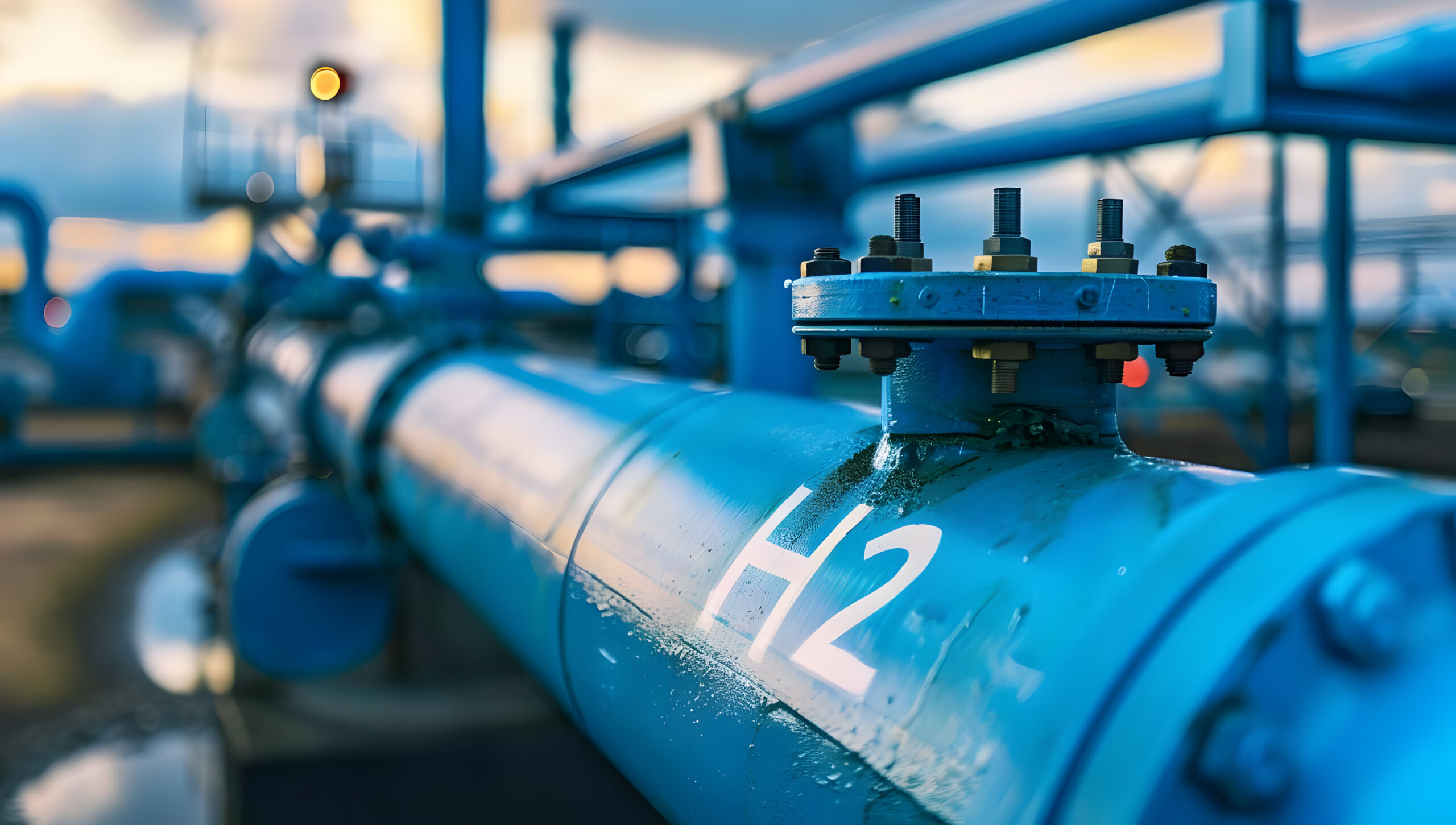
The transition from natural gas to a decarbonised future is one of the most complex construction projects Europe has ever faced. At the recent E-World energy & water exhibition in Essen, industry leaders gathered for a session titled “From Corridors to Dead Ends? Politics and Strategy Behind Europe’s H2 Backbone”.
Ultimately, it comes down to timing. Are we building a network for a market that is ready to grow or will potential customers move on to other energy sources by the time the pipelines are ready?
Reality on the ground
Although the industry has seen a significant ramp up in electrification, roughly 75% of Europe’s energy mix still comes from molecules (gas and liquids) rather than electrons (electricity). For heavy industry to survive the transition, we need pipes and can’t simply rely on power lines.
The consensus among the experts was that we must adopt an “infrastructure first” approach. However, moving from gas to hydrogen transforms what used to be safe utility investments into high-risk gambles. To move from 30-year roadmaps to actual steel in the ground, the industry needs government support to make investing in hydrogen as predictable and attractive as natural gas once was.
The need to de-risk
Germany is intended to be the main customer for European hydrogen, although building the core network carries significant private risk. Nico Bosnjak, Head of Policy & Comms at Open Grid Europe (OGE), highlighted the issues at stake:
- The German government has an option to cancel the scheme in 2038. If the hydrogen market hasn’t taken off by then, private organisations could be forced to pay 15% of the remaining costs.
- While OGE is already repurposing old gas pipes and building new ones (50km have been online since late 2025), the actual consumption of hydrogen by German companies is growing worryingly slowly.
Connecting the sun belt to the industrial heartlands
Spain and Portugal are positioning themselves as Europe’s green hydrogen powerhouse. Jesus Gil, Hydrogen Director at Enagás, outlined a vision to connect the Iberian Peninsula to Germany by 2032.
By repurposing 20% of existing natural gas pipelines and investing €5 billion, Enagás aims to create a liquid market. However, as Gil noted, industry needs to protect the entire chain, from the people making the hydrogen in the sunny south to the factories using it elsewhere on the continent where electricity is more expensive.
Success stories are key
Kirsten Westphal, Member of German Association of Energy and Water Industries (BDEW) emphasised that we are in a critical development phase. To maintain political and investor momentum, the industry needs success stories from the first clusters and corridors. It’s important that we see a path where volume and demand grow together, supported by a solid regulatory scheme.
Why does the market care?
So why is this a big deal? For traders, shippers, and energy analysts, the H2 backbone represents the next frontier of market liquidity.
If these corridors succeed, we will see the:
- Birth of a new tradable commodity market with its own price drivers
- Ability to profit from price differences between regions, such as cheap supply in Spain against high demand in Germany.*
- Daily challenge of ensuring supply matches demand. By connecting different regions, the pipeline backbone would allow the market to quickly spot shortages and pull in extra supply from elsewhere, ensuring the grid stays stable and safe.
*To make green hydrogen, water molecules are split into hydrogen and oxygen. To do this requires a huge amount of electricity. As Spain sees approximately 300 sunny days per year, solar farms in the country can produce huge amounts of electricity, often more than needed. It is envisioned that thanks to the proposed H2 backbone pipelines, Germany could have surplus sunshine (in the form of hydrogen) delivered from Spain.
Where does Trayport come into all of this?
We provide the technology that sits at the heart of the European energy markets. As the hydrogen market evolves from “infrastructure-first” to trading-focussed, our software acts as the digital dashboard for this new energy transportation system.
We offer tools, such as Joule, to help energy professionals see these price differences and manage the pressure of supply and demand in real-time. Whether you’re dealing with established gas markets or the future of hydrogen, we provide the clarity and visibility to help you navigate these risks with confidence.
Hydrogen still has a long way to go before it becomes a fully liquid, standardised market. However, the path to maturity likely lies in cross-product trading, using the relationship between hydrogen and already liquid gas hubs like TTF or THE.
As hydrogen is often intended to replace natural gas in factories, their values are linked. If natural gas prices spike, hydrogen then becomes more attractive, leading to traders to sell natural gas and buy hydrogen.
Summary
The market is now moving away from big rhetoric to focused delivery. Although the backbone infrastructure is in its infancy, it is no longer just a concept on paper, with existing physical pipelines in the ground being repurposed and other new ones planned for construction. This commitment has been showcased through recent announcements in The Netherlands, Germany and Italy.
For Trayport and the wider energy trading market, this is a fascinating transition to watch. The expectation is that as physical connections develop and major agreements are signed, the backbone evolves from an engineering project to a live reality that is played out on trading screens across Europe.
That big question remains. Can the infrastructure be delivered fast enough to meet the demand? If the pipelines aren’t ready soon, heavy industry may either pivot to direct electrification (using technologies like high-powered heat pumps and electric furnaces) or move overseas to regions where cheaper energy is already accessible.
Time will tell.
Any trading activity is conducted with the specific trading venue.
Trayport is a software provider of trading solutions and is not a trading venue.
Trayport does not arrange investments or provide investment advice.